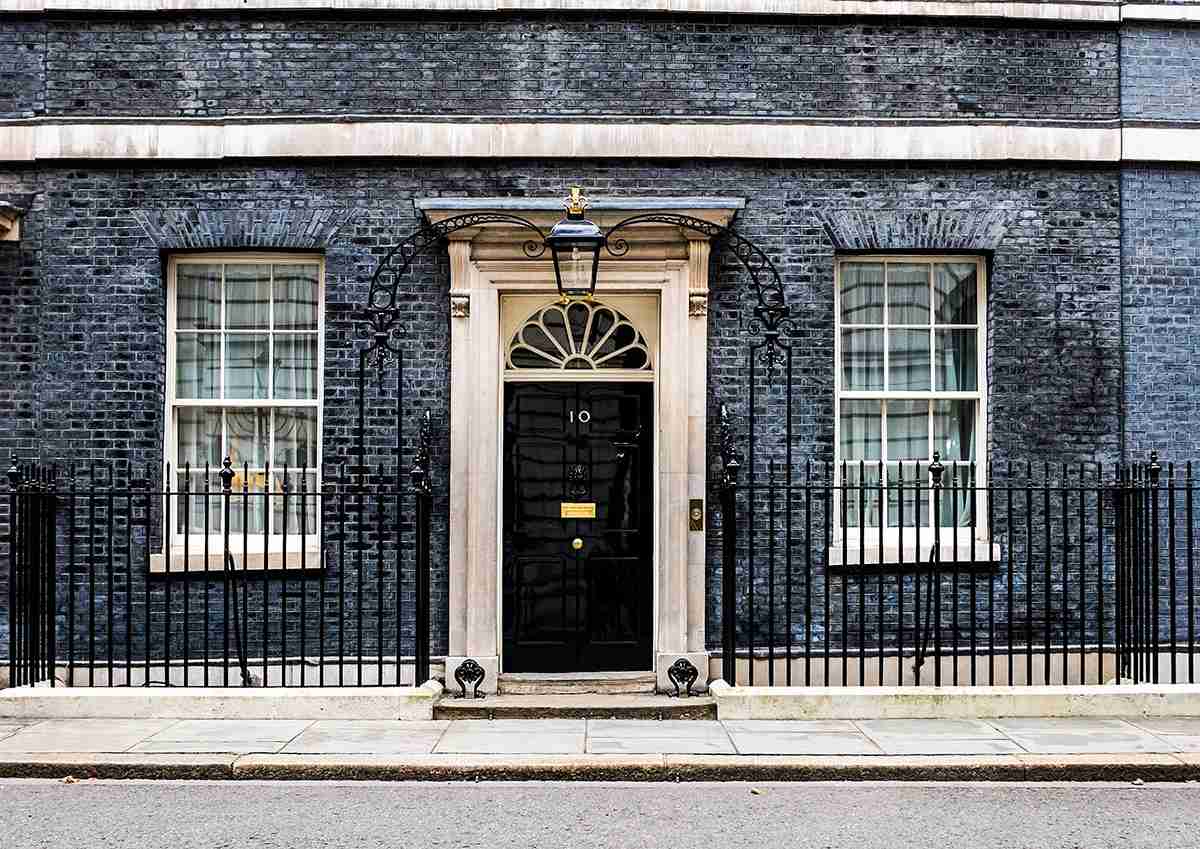
Responding to the UK Government press release 'Pension reforms to go further to unlock billions to drive growth and boost working peoples’ pension pots' about proposed pension fund reforms, Laasya Shekaran, Director, Pensions for Purpose said: "This could be a transformative step forward, especially if surpluses are used in ways that improve outcomes across the pension system. For example, surplus funds – which amount to £160bn across 75% of defined benefit (DB) schemes – could help address critical issues such as the inadequacy of defined contribution (DC) pensions and the intergenerational inequalities that persist because of this. At the same time, with over £1.1tn held in UK corporate defined benefit pension funds, this reform represents a major opportunity to unlock growth, support sponsoring businesses and deliver meaningful economic and societal benefits across the UK.
Allowing surplus extraction could encourage trustees to take a longer-term view, moving beyond a narrow focus on buyout timelines. This shift could drive a greater appetite for impact and more sustainable investing, which may come with higher risk/return profiles and illiquidity, but delivers systemic sustainability benefits over the long term. By enabling these schemes to run on for longer, the reforms could further align with the Government’s broader growth mission, removing barriers to investment and demonstrating the UK Government's position that "Britain is back and open for business".
The big question, of course, is how we protect DB members in this process. Trustees must ensure benefits are safeguarded and any changes must respect this. However, we shouldn’t lose sight of the broader picture: while DB members enjoy extensive protections, DC members often have none. It’s vital to keep the promises made to generation DB, but this shouldn’t come at the expense of generation DC. There must be a way to support both – by putting sufficient protections in place for DB members while also using surplus funds to address the challenges facing DC pensions and ensure intergenerational fairness."


Phone:
Finance: 01234 388845
Events: 0330 223 6152
Address:
11 Phillips Close
Headley
Hampshire
GU35 8LY
Pensions for Purpose acts as an information centre only. We do not endorse any content published on this website that originated from one of our members. For more information, please see the website terms of use
Follow us on socials: